Your dog’s appearance matters for its health. A shiny, smooth coat looks good. It also shows your dog is healthy. A dull, dry, or brittle coat can mean a problem. Often, this problem is about their food. Grooming helps keep fur nice. But a truly healthy coat starts from inside your dog. This post will show how your dog’s food affects its coat. We will also tell you how to keep the coat looking its best.
Why Your Dog’s Coat Shows Their Health
Your dog’s coat is alive. It constantly grows new hair. Healthy hair needs many nutrients. These include proteins, fats, vitamins, and minerals. If your dog’s food lacks these, you might see:
- Dull, lifeless fur
- Excessive shedding or hair loss
- Dry, flaky skin
- Itchy or irritated skin
- Brittle or broken hairs
These signs are more than just looks. They show your dog might not get enough nutrients. This affects their overall health.
How to get enough protein:
Hair is mostly keratin. This is a protein. It forms the main part of your dog’s fur. So, protein is vital for healthy coat growth. Dogs fed little protein may have thin, patchy fur. Their hair might also grow back slowly after shedding.
Tips for optimizing protein intake:
- Check dog food labels. Named animal proteins (like chicken, lamb, or fish) should be the first ingredient.
- Senior dogs need enough protein. This helps them keep muscle. It also helps their fur regrow.
- Talk to a vet before adding protein supplements. Do this if your dog has special health needs.
Protein quality matters as much as the amount. Animal proteins are easy for dogs to digest. They have all the key amino acids. These amino acids help your dog grow a strong, healthy coat.
Omega-3 & Omega-6 Fatty Acids
Omega fatty acids are important fats. Your dog’s body cannot make them. These nutrients keep fur smooth and shiny. They also help skin stay healthy. They reduce swelling, stop dry skin, and can even ease itching.
Sources of omega fatty acids:
- Fish oil is rich in omega-3. It promotes skin and coat health.
- Flaxseed offers plant-based omega-3. It is good for dogs with fish allergies.
- Chicken fat and sunflower oil are good sources of omega-6.
A diet rich in these fatty acids can drastically improve the texture and shine of your dog’s coat within a few weeks. Many owners notice softer fur, less shedding, and a reduction in dry skin patches.
Vitamins and Minerals: Essential Building Blocks
Dogs need vitamins and minerals. These are important even if your dog gets enough protein and fat. They help keep the coat shiny and healthy. They help new cells grow. They also protect against damage and make hair strong.
Key nutrients for coat health:
- Vitamin A: Helps skin cells grow and repair.
- Vitamin E: Protects skin and fur from harm.
- Zinc: Helps fur grow and stops hair loss.
- Biotin: Makes hair strong and less likely to break.
If your dog lacks these nutrients, its skin and coat can suffer. Give your dog a good, balanced diet. This is vital for a healthy coat.
Hydration: The Missed Factor
Water is very important for your dog’s health. This includes its coat. Not enough water can make hair dry and brittle. It can also cause flaky skin. Always give your dog fresh, clean water. Wet food or broths also add water. This helps the coat stay healthy.
Grooming: Outside Help
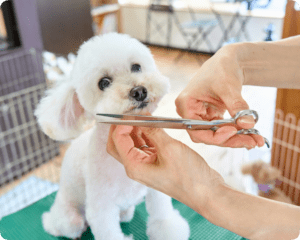
Diet is the main part of coat health. But grooming also helps a lot. Brushing and bathing often:
- Removes loose hair and stops tangles.
- Spreads natural oils through the coat.
- Boosts blood flow to hair roots.
Over-bathing can strip essential oils, making fur dry, so it’s important to maintain a balanced grooming routine. Choosing gentle, dog-friendly shampoos with added conditioners can further enhance the coat’s natural shine.
Combining Diet and Grooming for Maximum Results
The best results come when nutrition and grooming work hand in hand. Here’s a simple strategy:
- Balanced diet: Focus on high-quality proteins, essential fats, vitamins, and minerals.
- Omega supplements: Add fish oil or flaxseed oil if your dog’s food doesn’t provide sufficient omega fatty acids.
- Regular grooming: Brush your dog at least a few times a week to stimulate oil production and remove loose hair.
- Monitor coat changes: Track improvements or sudden declines in fur quality, as these can indicate nutritional or health issues.
Dogs with a well-balanced diet and consistent grooming routine tend to have soft, shiny coats and reduced skin problems.
Special Considerations by Breed and Age
Coat needs can vary by breed and life stage:
- Long-haired breeds: Require more brushing and higher fat intake to prevent tangles and dryness
- Short-haired breeds: Benefit from omega fatty acids to maintain shine
- Senior dogs: May need additional protein and supplementation to counter slower metabolism and hair loss
- Puppies: Need nutrient-dense diets to support rapid growth and healthy fur development
Tailoring nutrition and grooming routines to your dog’s specific needs ensures optimal coat health.
When to Consult a Veterinarian
Sometimes coat issues are more than just diet-related. Persistent dullness, excessive shedding, or skin irritation may indicate allergies, infections, hormonal imbalances, or underlying health conditions. Consulting a veterinarian ensures that you address the root cause and not just the symptom.
Final Thoughts
Your dog’s coat is more than just a cosmetic feature it reflects their internal health. A dull, dry, or brittle coat can indicate nutritional deficiencies, while a shiny, soft coat often signals a balanced diet and proper care. By combining high-quality nutrition, omega fatty acids, essential vitamins and minerals, hydration, and consistent grooming, you can give your dog the best chance at a healthy, vibrant coat.
Investing in your dog’s diet and grooming routine today pays off in a soft, shiny, and manageable coat tomorrow. Not only will your dog look healthier, but they’ll also feel better from the inside out. A healthy coat is a reflection of a happy, well-cared-for dog, and that’s every pet owner’s ultimate goal.